Lookalike Modeling in Digital Marketing: Unlocking New Customer Potential
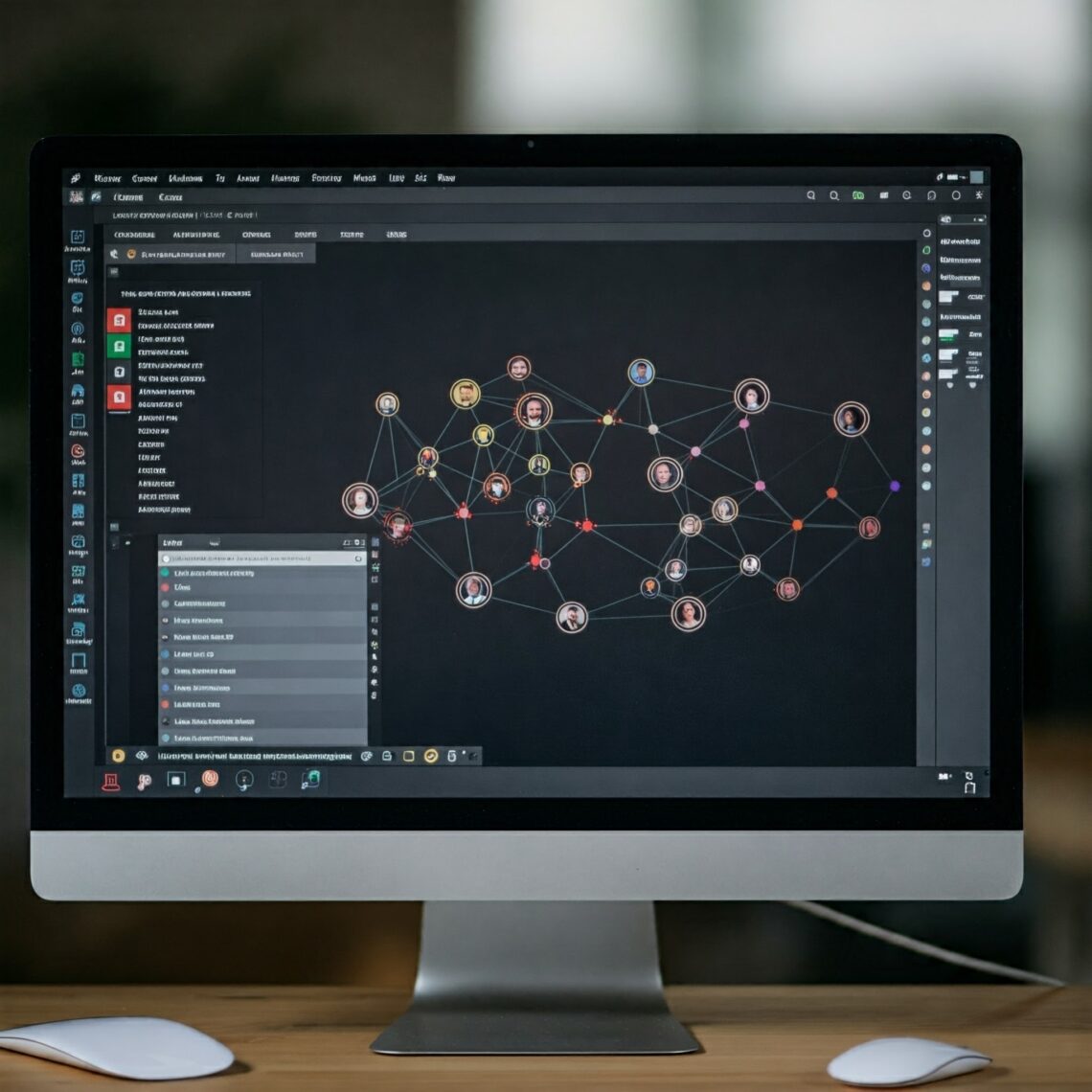
In the ever-evolving world of digital marketing, staying ahead of the curve is paramount. With audiences scattered across various platforms and bombarded with countless ads, finding efficient ways to target potential customers is crucial. Enter lookalike modeling, a powerful technique that leverages the power of machine learning to unlock new customer potential and drive campaign success.
This comprehensive guide delves deep into lookalike modeling, exploring its mechanics, benefits, and practical applications in digital marketing. By the end, you’ll have a solid understanding of how to leverage this technique to optimize your campaigns, reach the right audience, and maximize your return on investment.
What is Lookalike Modeling?
Lookalike modeling is a data-driven approach that identifies new prospects who share similar characteristics with your existing high-value customers. By analyzing various data points of your current customer base, such as demographics, interests, behavior, and purchase history, machine learning algorithms create a “lookalike audience” – a group of individuals who resemble your ideal customers.
Imagine having a crystal ball that reveals who is most likely to engage with your brand, products, or services. Lookalike modeling acts as that crystal ball, providing invaluable insights into your target audience and enabling you to focus your marketing efforts on the most promising prospects.
How Does Lookalike Modeling Work?
The process of creating a lookalike audience involves several key steps:
- Seed Audience Selection: The foundation of lookalike modeling lies in selecting a “seed audience” – a representative sample of your existing customers. This seed audience should ideally consist of your most valuable customers, those who have demonstrated high engagement, conversion rates, or lifetime value.
- Data Collection and Analysis: Once you have your seed audience, the platform you’re using (e.g., Facebook, Google Ads) analyzes their data across various dimensions, including:
- Demographics: Age, gender, location, education, income, etc.
- Interests: Hobbies, favorite brands, pages they follow, etc.
- Behavior: Website activity, purchase history, app usage, etc.
- Lookalike Audience Generation: Based on the analysis of your seed audience, the platform’s algorithms identify individuals who share similar characteristics and create a lookalike audience. You can typically control the size of this audience, ranging from 1% to 10% of the total population in your target region.
- Campaign Targeting and Optimization: With your lookalike audience ready, you can now deploy targeted advertising campaigns across various channels. Continuously monitor the performance of these campaigns, making adjustments to your targeting and creative as needed to optimize for desired outcomes.
Benefits of Lookalike Modeling in Digital Marketing
Lookalike modeling offers a plethora of benefits for digital marketers, including:
- Expanded Reach: Reach a wider audience of potential customers who are likely to be interested in your offerings, expanding your brand’s reach and visibility.
- Improved Targeting Accuracy: Target individuals who exhibit similar traits to your best customers, increasing the likelihood of engagement and conversion.
- Enhanced Campaign Performance: Drive better results from your marketing campaigns, achieving higher click-through rates, conversion rates, and return on ad spend.
- Reduced Customer Acquisition Costs: Focus your marketing budget on the most promising prospects, minimizing wasted spend and acquiring customers more efficiently.
- Increased Customer Lifetime Value: Attract customers who are more likely to become loyal and repeat buyers, boosting customer lifetime value and overall profitability.
- Valuable Customer Insights: Gain a deeper understanding of your ideal customer profile, enabling you to refine your marketing strategies and tailor your messaging effectively.
Practical Applications of Lookalike Modeling
Lookalike modeling can be applied across various digital marketing channels and campaigns, including:
- Social Media Advertising: Create highly targeted ads on platforms like Facebook, Instagram, and LinkedIn to reach new audiences who resemble your existing followers or customers.
- Search Engine Marketing: Utilize lookalike audiences in Google Ads to refine your search and display campaigns, ensuring your ads are shown to the most relevant users.
- Email Marketing: Segment your email lists and create lookalike audiences based on your most engaged subscribers to improve email open rates, click-through rates, and conversions.
- Content Marketing: Identify the characteristics of your most engaged content consumers and create lookalike audiences to promote your blog posts, articles, and other content to a wider audience.
- App Marketing: Acquire new users for your mobile app by targeting individuals who share similar traits with your existing high-value app users.
Best Practices for Effective Lookalike Modeling
To maximize the effectiveness of your lookalike modeling efforts, consider these best practices:
- Start with a High-Quality Seed Audience: The success of your lookalike audience hinges on the quality of your seed audience. Ensure your seed audience is large enough (ideally 1,000-5,000 individuals) and truly representative of your ideal customer profile.
- Segment Your Seed Audience: For even more precise targeting, segment your seed audience based on specific criteria, such as purchase history, engagement level, or demographics. This allows you to create multiple lookalike audiences tailored to different customer segments.
- Test Different Lookalike Audience Sizes: Experiment with different audience sizes (1%, 2%, 5%, etc.) to find the sweet spot between reach and relevance. Smaller audiences tend to be more similar to your seed audience, while larger audiences offer broader reach but may be less precise.
- Combine Lookalike Modeling with Other Targeting Options: Layer lookalike audiences with other targeting options, such as demographics, interests, and behaviors, to further refine your reach and improve campaign performance.
- Continuously Monitor and Optimize: Regularly analyze the performance of your lookalike audience campaigns, making adjustments to your targeting, bidding strategies, and creative as needed to achieve optimal results.
- Refresh Your Seed Audience: As your customer base evolves, it’s essential to refresh your seed audience periodically to ensure your lookalike audiences remain relevant and accurate.
Lookalike Modeling: A Game-Changer for Digital Marketers
Lookalike modeling has emerged as a game-changer for digital marketers, empowering them to reach new heights of precision and efficiency in their customer acquisition efforts. By leveraging the power of machine learning, marketers can identify and target high-potential prospects who are most likely to engage with their brand and convert into loyal customers.
As the digital landscape continues to evolve, lookalike modeling will undoubtedly play an increasingly vital role in helping marketers navigate the complexities of audience targeting and achieve their marketing goals. By embracing this powerful technique and adhering to best practices, you can unlock new customer potential, drive sustainable growth, and stay ahead of the competition.